
Key Takeaways
- First hormone therapy consultations typically last 45-60 minutes and involve comprehensive health history, symptom assessment, and treatment planning
- Preparation including symptom tracking, compiling health records, and formulating questions maximizes consultation value
- Laboratory testing forms the foundation for personalized treatment protocols tailored to your specific hormone levels and needs
- Multiple hormone delivery methods exist—pellets, creams, injections, patches—each suited to different preferences and situations
- Initial improvements typically appear within 2-4 weeks, with optimal results developing over 3-6 months
- Ongoing monitoring and follow-up ensure treatment safety, effectiveness, and adjustment as your needs evolve
- Optimal Health & Wellness provides comprehensive BHRT consultation Richmond VA residents trust for compassionate, personalized hormone care
Introduction: Taking the First Step Toward Hormone Health

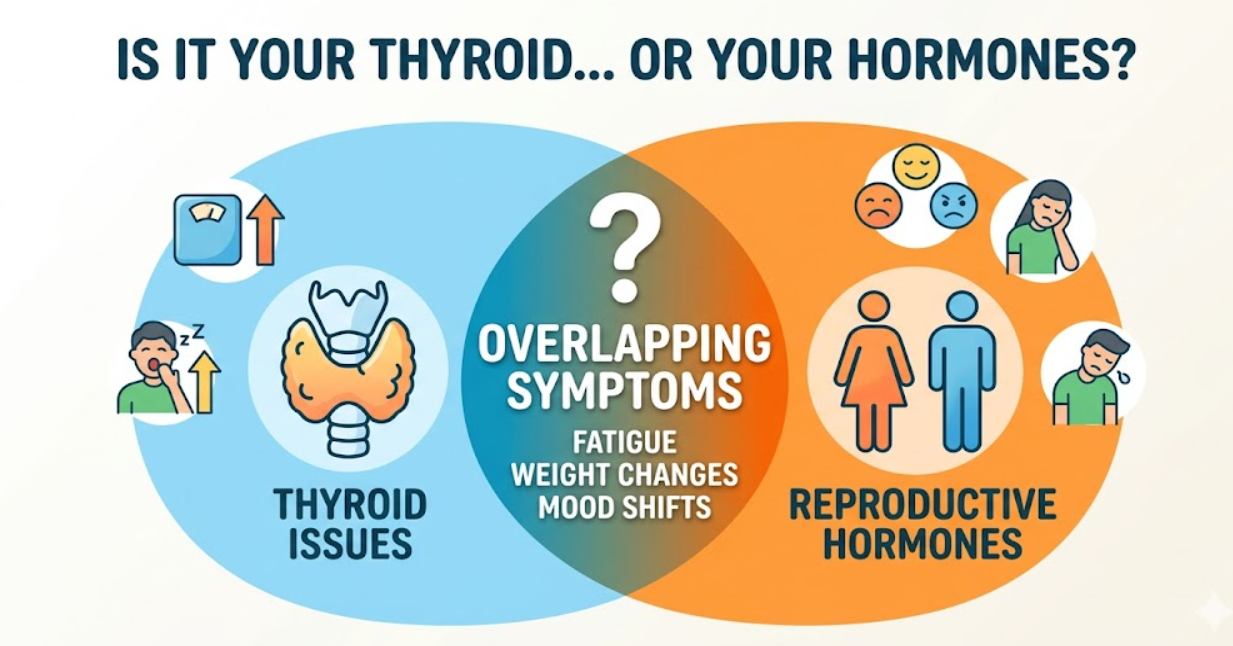
Deciding to pursue hormone therapy represents a significant commitment to your health and quality of life. Perhaps you’ve struggled with persistent fatigue, unexplained weight gain, mood instability, or declining vitality for months or years. You’ve tried lifestyle modifications, explored other solutions, and finally recognized that something deeper needs attention.
Your first hormone therapy consultation serves as the foundation for your entire treatment journey. This initial appointment isn’t simply a brief check-in—it’s a comprehensive evaluation designed to understand your unique situation, identify specific hormone imbalances, and develop a personalized treatment strategy aligned with your health goals.
At Optimal Health & Wellness, we recognize that first appointments can trigger anxiety, particularly when discussing symptoms some people find embarrassing or personal. Our Richmond-area patients consistently report that their concerns dissipated once they experienced our compassionate, professional approach that prioritizes your comfort while gathering the information necessary to help you effectively address your symptoms.
This guide provides a complete roadmap for what to expect during a hormone therapy consultation in Richmond, helping you prepare thoroughly and approach your visit with confidence.
Before Your Consultation: Preparation for Success
Thoughtful preparation maximizes the value of your initial BHRT consultation Richmond VA providers conduct. While you don’t need extensive preparation, several steps help ensure your provider gains comprehensive understanding of your situation.
How to Prepare:
Begin by tracking your symptoms for at least one week before your appointment. Note patterns—when do symptoms worsen or improve? How do they affect your daily life? What have you tried that helped or didn’t help? This information provides valuable context your provider will use when evaluating your case.
Consider your health goals beyond simply “feeling better.” Do you want to restore energy for career demands? Improve intimate relationships? Enhance athletic performance? Clarifying your objectives helps your provider tailor treatment recommendations to your priorities.
If possible, avoid scheduling your appointment during times when acute stress or illness might obscure your typical symptom patterns. While not always controllable, meeting your provider when you’re experiencing your “normal baseline” (even if that baseline feels suboptimal) provides the clearest picture of your usual state.
Essential Documents to Bring:
Gather any recent laboratory results, particularly hormone panels, thyroid function tests, or comprehensive metabolic panels completed within the past year. Even if results were marked “normal,” bring them—optimal ranges differ from standard reference ranges, and previous testing provides valuable baseline data.
Compile a complete medication list including prescriptions, over-the-counter supplements, vitamins, and herbal products. Certain medications and supplements affect hormone levels or interact with hormone therapy, making this information critical for safe, effective treatment planning.
Bring your insurance card and identification, even if you’re uncertain about coverage. Many patients discover that portions of evaluation and treatment qualify for insurance reimbursement.
Create a written list of current and past health conditions, previous procedures, and family health history, particularly regarding conditions like thyroid disorders, certain cancers, blood clotting issues, or early menopause in female relatives. These factors influence treatment approach and safety considerations.
Questions to Consider Before Your Visit:
Reflecting on these questions before your appointment helps you communicate effectively with your provider:
- What symptoms concern you most, and how long have you experienced them?
- How do these symptoms impact your work, relationships, and daily activities?
- What treatments or approaches have you already tried, and what were the results?
- Do you have concerns about specific treatment methods (injections, pellets, creams)?
- What would successful treatment look like for you—what would you be able to do that you can’t do now?
- Do you have questions about hormone therapy safety, particularly regarding concerns you’ve heard or read about?
Pre-Appointment Checklist:
Download our comprehensive Pre-Consultation Checklist to ensure you’ve covered all preparation bases. This practical tool helps you organize information, compile questions, and approach your appointment fully prepared to make the most of your time with your provider.
During Your Visit: A Comprehensive Evaluation
Your initial hormone therapy appointment Richmond providers conduct typically lasts 45-60 minutes—significantly longer than typical medical appointments. This extended time allows thorough evaluation without feeling rushed.
Meeting Your Provider:
Your consultation begins with introductions and rapport-building. At Optimal Health & Wellness, we prioritize creating a comfortable environment where you feel heard and respected. Your provider will explain the consultation process, answer preliminary questions, and establish the collaborative partnership essential for successful hormone optimization.
This is your opportunity to assess whether you feel comfortable with your provider. Hormone therapy requires ongoing relationship and open communication about intimate topics. Trust your instincts—you should feel respected, unhurried, and genuinely heard during this initial meeting.
Comprehensive Medical History Review:
Your provider will conduct a detailed health history review covering topics including:
- Current symptoms with focus on onset, severity, patterns, and impact on quality of life
- Menstrual history for women, including regularity, changes, and age at first period
- Previous pregnancies, births, and any related complications
- Past and current health conditions, particularly thyroid disorders, autoimmune conditions, mental health concerns, cardiovascular issues, or metabolic conditions
- Surgical history, especially procedures affecting reproductive organs, thyroid, or digestive system
- Complete medication and supplement history, including past hormone use (birth control, previous hormone therapy)
- Family health history, particularly hormone-related conditions, certain types of cancers, or early menopause
- Lifestyle factors including stress levels, sleep patterns, exercise habits, nutrition approach, and substance use
According to research from the Endocrine Society, comprehensive history-taking significantly improves diagnostic accuracy and treatment outcomes in hormone therapy, making this detailed discussion essential despite requiring time and patience.
Detailed Symptom Assessment:
Your provider will systematically explore symptoms across multiple body systems. Hormone imbalances affect far more than reproductive function—they influence energy, cognition, mood, metabolism, sleep, skin, hair, and numerous other areas. Expect questions about:
- Energy levels and fatigue patterns throughout the day
- Sleep quality, including difficulty falling asleep, staying asleep, or feeling rested upon waking
- Mood changes, anxiety, irritability, or emotional stability
- Cognitive function, including memory, focus, and mental clarity
- Weight changes and body composition shifts, particularly fat distribution
- Temperature regulation, including hot flashes, night sweats, or feeling consistently cold
- Physical discomfort in intimate areas, changes in tissue health, or discomfort during closeness
- Interest in intimate activities and changes in desire levels
- Skin changes, hair thinning or loss, and nail quality
- Digestive function and appetite changes
- Muscle strength, joint discomfort, and physical recovery
Be candid during this discussion. Your provider has heard it all and maintains professional, nonjudgmental perspective. Complete honesty enables accurate assessment and effective treatment planning.
Laboratory Testing Explanation:
Hormone evaluation requires specific laboratory testing to measure current hormone levels and identify imbalances. Your provider will explain which tests are necessary for your situation and why each matters.
Common tests include comprehensive hormone panels measuring estrogen, progesterone, testosterone, DHEA, and cortisol. Thyroid function tests assess TSH, free T3, free T4, and sometimes thyroid antibodies. Additional tests might evaluate vitamin D, B12, complete blood count, metabolic panel, and other markers relevant to your symptoms and health history.
Some testing can be completed during your visit if a lab draw station is available on-site. Other specialized testing might require you to visit a specific laboratory. Your provider will explain timing considerations—certain hormone tests require collection at specific cycle phases for women or particular times of day for everyone.
Physical Examination Considerations:
Depending on your symptoms and health history, your provider may recommend a focused physical examination. This might include vital signs, thyroid palpation, or other relevant assessments. You’ll always be informed about what examination components are recommended and why, and you maintain control over what you consent to during your visit.
Treatment Options Discussion:
Once your provider understands your situation comprehensively, the conversation shifts to potential treatment approaches. This discussion covers various hormone delivery methods—pellets, creams, patches, injections, or oral medications—explaining advantages and considerations of each for your specific circumstances.
Your provider will outline realistic expectations regarding treatment timeline, when you might notice initial improvements, and how results typically progress. This conversation also addresses safety considerations, potential side effects, monitoring requirements, and how treatment adjusts over time as your needs evolve.
Understanding Your Treatment Options
Bioidentical hormone replacement therapy offers multiple delivery methods, each with distinct characteristics suited to different people and situations.
BHRT Pellets:
Pellet therapy involves tiny hormone-containing pellets inserted under the skin during a brief office procedure. Pellets release consistent hormone levels over 3-4 months, eliminating daily medication routines and hormonal fluctuations associated with other methods. According to data published in Maturitas, many patients prefer pellets for convenience and steady symptom control. They’re particularly suitable for people desiring minimal maintenance and consistent hormone delivery.
Topical Creams and Gels:
Hormone creams and gels apply daily to skin areas with good absorption like inner arms or thighs. They offer dosing flexibility—adjustments happen quickly by changing application amount. Creams work well for people preferring to control their daily dosing and those wanting to avoid procedures. However, they require consistent daily application and carry transfer risk if someone touches application areas before absorption completes.
Injections:
Hormone injections, particularly testosterone therapy, provide reliable delivery bypassing digestive system absorption issues. Frequency varies from weekly to monthly depending on formulation. Injections suit people comfortable with injection technique (many self-administer after training) who want reliable dosing without daily routines.
Patches and Oral Medications:
Additional options include hormone patches changed every few days and oral medications for specific hormones. Your provider discusses all relevant options for your situation, explaining which methods best align with your lifestyle, preferences, and clinical needs.
Timeline Expectations:
Most patients notice initial improvements within 2-4 weeks of beginning treatment, with progressive enhancement over 3-6 months as hormone levels optimize and stabilize. Your provider will set realistic expectations specific to your situation—severity of imbalance, chosen delivery method, and individual response patterns all influence timeline.
Financial Considerations:
Treatment costs vary based on delivery method, dosing, and monitoring requirements. Your provider or office staff will provide transparent cost information and discuss insurance coverage possibilities. Many insurance plans cover portions of hormone therapy evaluation and treatment when medical necessity is documented. Even without insurance coverage, many patients find hormone therapy cost-effective given the profound quality-of-life improvements achieved.
After Your Consultation: Your Path Forward
Your consultation concludes with clear next steps ensuring you move forward confidently.
Laboratory Testing:
If bloodwork wasn’t completed during your visit, you’ll receive orders for necessary testing with instructions about timing, fasting requirements, and where to have tests performed. Completing testing promptly allows your provider to review results and develop your treatment protocol without delay.
Results Review and Treatment Planning:
Once your provider receives and analyzes your laboratory results, they’ll contact you to discuss findings and finalize treatment recommendations. This conversation might occur during a brief follow-up appointment or via telehealth, depending on your provider’s practice and your preference.
Your personalized treatment protocol will specify hormone types, dosages, delivery methods, and administration schedules tailored to your test results, symptoms, goals, and preferences. You’ll receive detailed instructions ensuring you understand exactly how to use your prescribed therapy.
Initiating Treatment:
Treatment typically begins shortly after your results review, once you’ve obtained prescribed hormones through a specialized compounding pharmacy or standard pharmacy depending on formulation. Your provider’s office will coordinate medication procurement and answer questions about administration technique.
Follow-Up Schedule:
Ongoing monitoring ensures treatment effectiveness and safety. Initial follow-up typically occurs 4-6 weeks after starting therapy to assess early response and address any questions or concerns. Subsequent monitoring frequency varies based on treatment type and individual factors, generally ranging from quarterly to biannually once optimal dosing is established.
Regular laboratory testing tracks hormone levels, ensuring they remain in optimal therapeutic ranges. Your provider adjusts dosing as needed based on both laboratory values and symptom response, maintaining the delicate balance required for sustained results.
Ready to take the first step toward hormone optimization? Don’t let another day pass struggling with symptoms that hormone therapy can address effectively. Schedule your comprehensive hormone therapy consultation at Optimal Health & Wellness today. Our experienced team serves Richmond, Henrico, and Chesterfield County with personalized, compassionate hormone care.
Visit our bioidentical hormone replacement therapy page to learn more about treatment options, explore our complete wellness services, or book your consultation online now. Your journey toward restored energy, clarity, and vitality begins with one appointment—schedule yours today.
Frequently Asked Questions About Hormone Therapy Consultations
Q: How long does the first consultation take?
A: Initial hormone therapy consultations typically last 45-60 minutes, allowing comprehensive evaluation without feeling rushed. This extended time ensures your provider gains thorough understanding of your unique situation.
Q: Will I be embarrassed discussing personal symptoms?
A: Hormone therapy providers discuss intimate topics daily with professionalism and compassion. Most patients report their concerns about embarrassment disappeared quickly once they experienced the respectful, clinical approach providers use.
Q: Do I need to bring anything specific to my appointment?
A: Bring recent laboratory results, complete medication and supplement lists, insurance information, and a written list of symptoms and questions. Download our Pre-Consultation Checklist for comprehensive preparation guidance.
Q: Will I start treatment during my first visit?
A: Typically, treatment begins after laboratory results are reviewed and a personalized protocol is developed. This usually occurs within 1-2 weeks of your initial consultation, depending on testing completion time.
Q: How much does the consultation cost?
A: Consultation costs vary by provider. Contact Optimal Health & Wellness directly for current pricing information. Many insurance plans cover evaluation when hormone imbalance is suspected based on symptoms.
Q: Can I bring someone with me to the appointment?
A: Absolutely. Many patients bring a partner or trusted friend for support. Having someone with you can help you remember information discussed and provide emotional support during what feels like a significant health decision.
Q: What if I’m not ready to commit to treatment after the consultation?
A: There’s no pressure to begin treatment immediately. Your consultation provides information enabling informed decision-making. Take whatever time you need to consider options, research further, or obtain additional opinions.
Q: Will the doctor judge me for waiting so long to seek help?
A: Never. Healthcare providers understand that recognizing hormone imbalance and seeking help requires time, awareness, and courage. You’ll be met with support for taking this important step, not judgment about timing.
Q: How often will I need follow-up appointments?
A: Initial follow-up typically occurs 4-6 weeks after starting treatment. Once optimal dosing is established, follow-up frequency ranges from quarterly to biannually depending on treatment type and individual factors.
Q: What if hormone therapy doesn’t work for me?
A: Hormone therapy effectively addresses hormone-related symptoms in the vast majority of properly diagnosed and treated patients. If initial approaches don’t provide expected results, your provider adjusts protocols, explores alternative delivery methods, or investigates other contributing factors until optimal results are achieved.