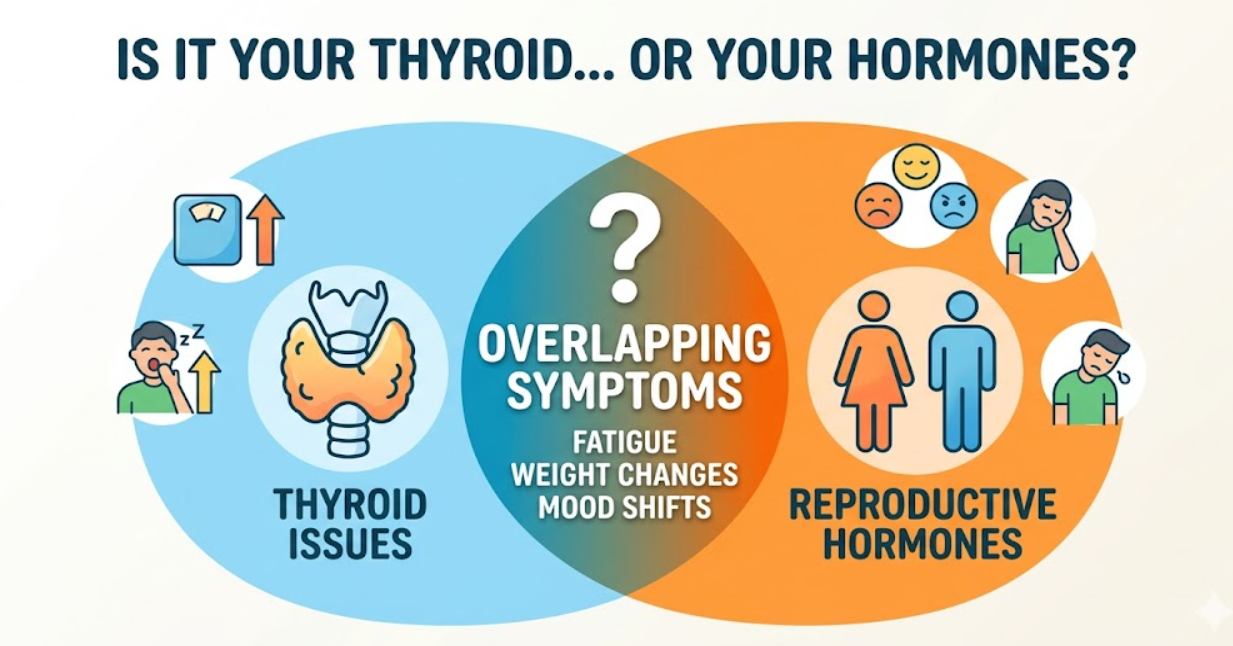

Introduction: The Transformative Power of Hormone Optimization
Careers suffer when brain fog clouds decision-making, relationships strain under the weight of mood swings and lost intimacy, and simple pleasures like playing with grandchildren or enjoying hobbies become exhausting rather than energizing. Relationships strain under the weight of mood swings and lost intimacy. Simple pleasures like playing with grandchildren or enjoying hobbies become exhausting rather than energizing.
The question we hear most often at Optimal Health & Wellness is straightforward: “Does hormone therapy actually work?” The answer isn’t found in studies alone—it’s written in the transformed lives of Richmond area residents who’ve experienced it firsthand.
These success stories represent diverse experiences and results Richmond patients have achieved through personalized bioidentical hormone replacement therapy. While everyone’s journey is unique, these accounts illustrate the life-changing potential of properly balanced hormones. Names have been changed to protect privacy, but the stories are genuine reflections of patient experiences at our practice.

Key Takeaways
- Real Richmond patients have experienced life-transforming results through personalized bioidentical hormone therapy
- Success stories span diverse challenges including menopause, low testosterone, and perimenopause symptoms
- Comprehensive evaluation, realistic expectations, active partnership with providers, lifestyle integration, and ongoing monitoring contribute to optimal outcomes
- Hormone therapy addresses root causes rather than just masking symptoms, leading to sustained improvement in energy, mood, cognition, and overall quality of life
- Optimal Health & Wellness provides customized BHRT protocols serving Richmond, Henrico, and Chesterfield County residents
Patient Story #1: Sarah’s Return to Herself
Age: 48
Challenge: Debilitating menopause symptoms
Treatment: Bioidentical hormone pellet therapy
Timeline: 6 months
Sarah walked into our Short Pump office feeling defeated. “I felt like I was disappearing,” she recalls. “The energetic woman who used to juggle a demanding marketing career, volunteer work, and an active social life was gone. I’d wake up exhausted, struggle through work in a mental fog, and collapse on the couch every evening.”
Hot flashes disrupted her professional presentations multiple times weekly. Night sweats left her sleep-deprived and irritable. Her husband felt like he was walking on eggshells around her unpredictable moods. “I knew something was wrong, but three different doctors told me this was just normal menopause and I needed to accept it,” Sarah explains.
After comprehensive hormone testing revealed significantly depleted estrogen and progesterone levels, we developed a customized bioidentical hormone pellet therapy protocol. The pellets, inserted just under the skin during a brief office visit, release consistent hormone levels over three to four months—eliminating the daily ups and downs of pills or creams.
“The change wasn’t overnight, but it was undeniable,” Sarah says. “Within three weeks, I was sleeping through the night again. The hot flashes decreased dramatically. By six weeks, my energy was returning and the brain fog was lifting. After three months, I felt like myself for the first time in years.”
Today, Sarah maintains her results with pellet insertions every four months. She’s back to hiking the trails at Pocahontas State Park on weekends, excelling in her career, and enjoying a rekindled connection with her husband. “Hormone therapy didn’t just relieve symptoms—it gave me my life back. I’m not just surviving menopause anymore; I’m thriving through it.”

Patient Story #2: Michael’s Vitality Restored
Age: 52
Challenge: Low testosterone symptoms
Treatment: Testosterone replacement therapy injections
Timeline: 4 months
Michael initially dismissed his symptoms as inevitable aging. “I figured being tired, gaining weight around my middle, and losing interest in things I used to enjoy was just what happened when you hit 50,” he shares. But when his wife pointed out how withdrawn he’d become and his physician expressed concern about his declining muscle mass and rising body fat percentage, Michael decided to investigate further.
Laboratory testing revealed testosterone levels significantly below optimal range—a common issue affecting men throughout Richmond and beyond. According to research from the Urology Care Foundation, testosterone naturally declines about 1% annually after age 30, but some men experience more dramatic drops affecting quality of life.
We started Michael on a carefully monitored testosterone replacement therapy program using weekly self-administered injections. “I was nervous about injections at first, but the training made it simple, and knowing I was taking control of my health was empowering,” Michael explains.
The transformation unfolded progressively. “After about three weeks, I noticed I wasn’t hitting the snooze button five times anymore. I had energy to go to the gym before work instead of dragging myself there occasionally,” he recalls. “By two months, my wife commented that I seemed ‘present’ again—engaging in conversations, planning activities together, showing interest in life.”
Four months into treatment, Michael’s results speak volumes. He’s lost 18 pounds, primarily from the stubborn midsection fat that wouldn’t budge despite diet and exercise. His strength and muscle tone have improved noticeably. His focus at work has sharpened, leading to a recent promotion. Perhaps most importantly, his relationship with his wife has deepened as his engagement and vitality returned.
“I didn’t realize how much I’d been missing until I got it back,” Michael reflects. “Testosterone therapy didn’t just improve individual symptoms—it restored my sense of being fully alive.”
Patient Story #3: Jennifer’s Mood Transformation
Age: 42
Challenge: Severe perimenopause symptoms, anxiety, and mood instability
Treatment: Customized bioidentical hormone therapy
Timeline: 3 months
Jennifer’s perimenopause journey began earlier than she anticipated. “At 42, I thought I was too young for this,” she says. “But the symptoms were unmistakable—and unbearable.”
The mood swings were particularly devastating. “I’d go from fine to furious in seconds, often over nothing. I cried at commercials. I snapped at my children over minor things and then felt overwhelming guilt,” Jennifer describes. “My anxiety skyrocketed. I’d lie awake at 3 AM with racing thoughts, convinced something terrible was about to happen.”
After trying prescription mood medication with limited success and unwanted side effects, Jennifer sought evaluation at our Midlothian location. Comprehensive testing revealed the classic perimenopause pattern: wildly fluctuating estrogen levels and declining progesterone.
“What struck me was that the doctor explained my symptoms weren’t psychological—they were physiological,” Jennifer recalls. “My brain chemistry was being affected by hormone fluctuations. That realization alone was validating.”
We designed a bioidentical hormone protocol combining estrogen and progesterone in forms and dosages tailored to Jennifer’s specific needs. Unlike one-size-fits-all approaches, her treatment adjusted as her body’s requirements evolved.
The improvement was remarkable. “Within the first month, my anxiety decreased noticeably. I was sleeping better, which helped everything else,” Jennifer shares. “By month two, the emotional volatility had stabilized. My family noticed I was more patient, more present. I felt like I could breathe again.”
Three months into treatment, Jennifer describes herself as “emotionally stable for the first time in two years.” She’s re-engaged with activities she’d abandoned—book club with friends, yoga classes, quality time with her children. “I’m not perfect, but I’m myself again. My kids have their mom back. My husband has his wife back. And I have myself back.”
Common Success Patterns: What Thriving Patients Share
While each hormone therapy journey is unique, successful patients share certain characteristics and experiences that contribute to optimal outcomes.
Comprehensive Initial Evaluation: Patients who achieve the best hormone therapy results Richmond providers can offer begin with thorough testing and assessment rather than guesswork. This includes detailed hormone panels, symptom evaluation, medical history review, and individualized treatment design based on specific needs rather than generic protocols.
Realistic Expectations and Patience: Hormone optimization is a process, not an instant fix. Successful patients understand that improvements typically unfold over weeks to months. They commit to the journey rather than expecting overnight transformation.
Active Partnership with Providers: The best outcomes occur when patients actively participate in their care—tracking symptoms, communicating changes, attending follow-up appointments, and adjusting treatment collaboratively with their healthcare team as needs evolve.
Lifestyle Integration: Patients who combine hormone therapy with supportive lifestyle choices—quality sleep, stress management, regular movement, and nutritious eating—typically experience more comprehensive and sustainable results. Hormones create the foundation, but lifestyle choices build upon it.
Commitment to Monitoring: Successful hormone therapy requires ongoing monitoring and adjustment. Bodies change, needs evolve, and optimization is dynamic rather than static. Patients who maintain regular follow-up achieve superior long-term results.
According to recent data published in the Journal of Women’s Health, women who engage in comprehensive, monitored bioidentical hormone therapy report significantly higher satisfaction and symptom improvement compared to those using standardized approaches without individualized monitoring.

Your Journey Starts Here
These stories represent just a fraction of the transformations we’ve witnessed serving Richmond, Henrico, and Chesterfield County. Whether you’re experiencing menopause symptoms, low testosterone, perimenopause challenges, or other hormone-related concerns, personalized treatment can help you reclaim your vitality.
Your story doesn’t have to be defined by fatigue, mood instability, weight struggles, or lost intimacy. Like Sarah, Michael, and Jennifer, you can rediscover the energy, clarity, and engagement that make life fulfilling.
Ready to write your own success story? Schedule your comprehensive hormone evaluation at Optimal Health & Wellness today. Our experienced team will assess your unique situation, identify specific imbalances, and design a personalized treatment protocol tailored to your body’s needs and your wellness goals.
Don’t wait years hoping symptoms will resolve on their own. Take the first step toward transformation. Book your consultation now and discover what life can feel like when your hormones are optimized. Visit our bioidentical hormone replacement therapy page to learn more about treatment options, or explore our testosterone therapy services for men experiencing low testosterone symptoms.
Your vibrant, energized future is waiting. Let’s begin your journey today.
Frequently Asked Questions About Hormone Therapy Success
Q: How long does it take to see results from hormone therapy?
A: Most patients notice initial improvements within 2-4 weeks, with progressive enhancement over 3-6 months as hormone levels stabilize and optimize. Individual timelines vary based on treatment type, symptom severity, and overall health status.
Q: Is bioidentical hormone therapy safe for long-term use?
A: When properly prescribed, monitored, and adjusted by qualified healthcare providers, bioidentical hormone therapy has an established safety profile for long-term use. Regular monitoring ensures dosages remain appropriate as your body’s needs change over time.
Q: Will insurance cover hormone therapy?
A: Coverage varies significantly by insurance plan and provider. Many plans cover testing and certain treatments when medically indicated. We recommend contacting your insurance provider directly, and our office can help verify benefits and provide necessary documentation.
Q: Can men benefit from hormone therapy too?
A: Absolutely. Testosterone replacement therapy effectively addresses low testosterone symptoms in men, including fatigue, weight gain, mood changes, reduced muscle mass, and declining vitality. Men throughout Richmond have experienced significant improvements through properly managed TRT protocols.
Q: What makes bioidentical hormones different from synthetic options?
A: Bioidentical hormones are molecularly identical to hormones your body produces naturally, while synthetic hormones have different chemical structures. Many patients report better symptom relief and fewer side effects with bioidentical options, which can be customized to individual needs rather than standardized dosing.