
Quick Summary
- The reality: Low testosterone isn’t just an “old man’s problem”—more men in their 20s and 30s are experiencing clinically low testosterone than ever before
- Key symptoms: Persistent fatigue, difficulty building muscle, weight gain, low libido, brain fog, and decreased motivation
- Common causes: Obesity, poor diet, chronic stress, sleep deprivation, environmental toxins, and certain medical conditions
- Treatment options: Lifestyle optimization can help many men; testosterone replacement therapy (TRT) is highly effective when needed
- Next step: Get comprehensive hormone testing at Optimal Health & Wellness (Richmond, VA)
Introduction
You’re in your late 20s or 30s, supposedly in your prime, but you feel exhausted. The gym sessions that used to build muscle now just leave you sore with minimal results. Your sex drive has gone from high gear to barely idling. You’re gaining weight around your midsection no matter how carefully you eat. That mental sharpness and drive that defined your twenties seems to be slipping away.
You might brush it off as stress or needing more sleep. But what if your testosterone—the hormone that fundamentally shapes male vitality—is significantly lower than it should be?
Here’s the reality: low testosterone isn’t just an “old man’s problem” anymore. Research suggests that testosterone levels in men have been declining over recent decades, and more men in their 20s and 30s are experiencing clinically low testosterone than ever before. This isn’t just about feeling tired—low testosterone can profoundly impact your physical health, mental wellbeing, career performance, and quality of life.
The good news? Once identified, low testosterone is often very treatable. But first, you need to recognize what’s happening and understand what you can do about it.
Understanding Testosterone: Why It Matters
Testosterone is the primary male sex hormone, produced mainly in your testicles. It’s responsible for far more than just libido and sexual function.
What Testosterone Does
Testosterone regulates:
- Muscle mass development and maintenance
- Bone density and strength
- Fat distribution
- Red blood cell production
- Sperm production and fertility
- Sex drive and erectile function
- Mood, motivation, and competitive drive
- Cognitive function and memory
- Energy levels and stamina
Normal vs. Optimal Levels
Testosterone is measured in nanograms per deciliter (ng/dL):
- Normal range: 300-1000 ng/dL
- Optimal for young men: 600-900+ ng/dL
- Low testosterone: Below 300 ng/dL
Here’s what many doctors won’t tell you: just because you’re above 300 ng/dL doesn’t mean your testosterone is optimal. A 30-year-old with testosterone at 350 ng/dL is technically “normal” but functioning at the level of a much older man.
Research suggests that average testosterone levels in men have declined over recent decades—some studies estimate roughly 1% per year since the 1980s, independent of age.
Signs of Low Testosterone: Are You Experiencing These?
Low testosterone creates a constellation of symptoms that gradually worsen.
Physical Symptoms
- Persistent fatigue: Exhausted even after a full night’s sleep, relying on caffeine just to function
- Difficulty building muscle: Despite consistent training, you’re not seeing gains or losing muscle mass
- Increased belly fat: The spare tire is growing despite diet and exercise
- Decreased strength: Weights that used to feel manageable now feel heavy
- Reduced bone density: Accelerated bone loss increasing fracture risk
Sexual Symptoms
- Low libido: Sex drive has noticeably declined; it rarely crosses your mind
- Erectile dysfunction: Struggling to achieve or maintain erections
- Reduced sexual satisfaction: Performance and sensations aren’t what they used to be
- Decreased morning erections: They’ve disappeared or become infrequent
Mental and Emotional Symptoms
- Depression: Persistent low mood; life feels gray
- Anxiety and irritability: On edge, snapping at people over minor things
- Brain fog: Struggling to focus, forgetting things mid-conversation
- Lack of motivation: The ambition that propelled you has evaporated
Other Signs
- Insomnia or poor sleep quality
- Loss of body and facial hair
- Enlarged breast tissue (gynecomastia)
- Reduced testicular size
If you’re experiencing multiple symptoms—especially if they’ve worsened over the past year or two—low testosterone could be the cause.
Why Do Young Men Have Low Testosterone?
If low testosterone was historically an older man’s issue, why are so many men under 40 now affected?
Lifestyle Factors
Obesity and excess body fat: Fat tissue converts testosterone into estrogen. The more body fat you carry, the more testosterone you’re losing. Research shows obese men can have testosterone levels up to 30-40% lower than normal-weight men in some studies.
Poor diet: Diets high in processed foods and sugar while low in nutrient-dense foods impair testosterone production. Deficiencies in zinc, vitamin D, and healthy fats directly impact hormone synthesis.
Sleep deprivation: Testosterone is primarily produced during sleep. Research has shown that one week of sleep restriction can reduce testosterone by roughly 10-15% in some studies. Chronic poor sleep compounds this effect.
Chronic stress: When constantly stressed, your body prioritizes cortisol production over testosterone. Chronic stress literally steals the building blocks needed for testosterone.
Exercise extremes: Both sedentary lifestyle and excessive endurance training without adequate recovery suppress testosterone.
Excessive alcohol: Impairs testicular function and increases conversion of testosterone to estrogen.
Environmental Factors
Endocrine disruptors: Chemicals in plastics (BPA), personal care products (phthalates), pesticides, and furniture (flame retardants) interfere with hormone production. Young men today have lifelong exposure to these chemicals.
Xenoestrogens: Environmental chemicals that mimic estrogen, found in plastics, cosmetics, and water supplies.
Medical Conditions
- Hypogonadism: Primary (testicular failure) or secondary (pituitary/hypothalamus dysfunction)
- Type 2 diabetes: Bidirectional relationship with low testosterone
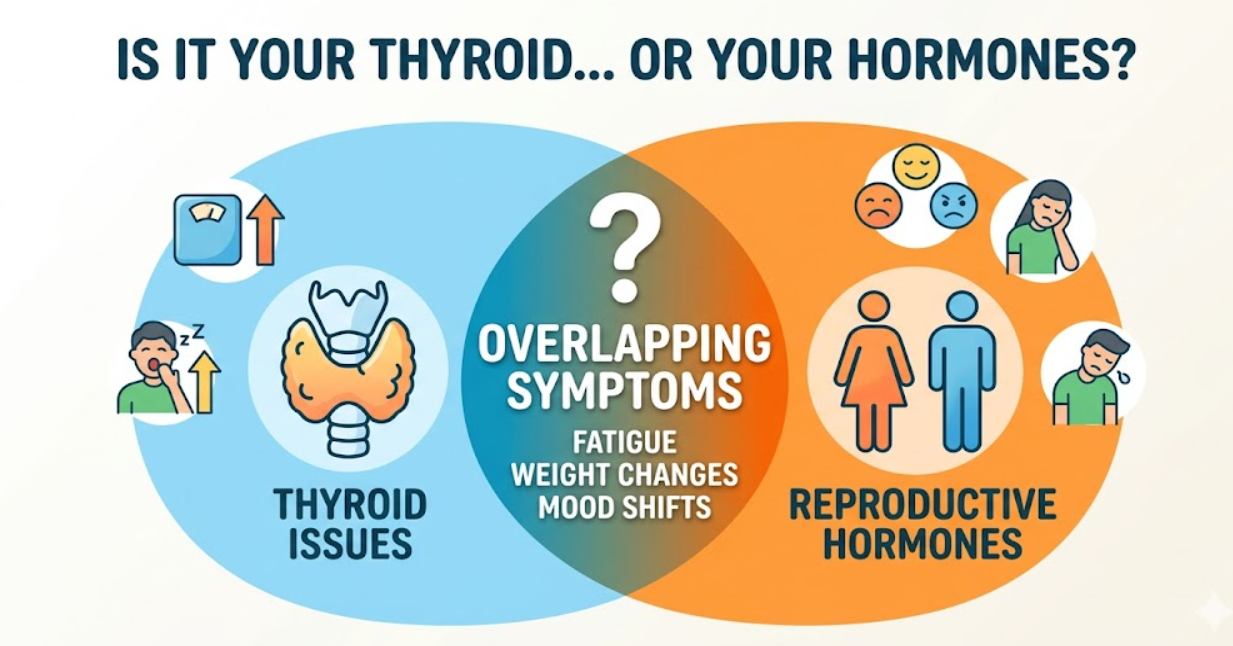
- Thyroid disorders: Both hypo- and hyperthyroidism affect testosterone
- Obesity and metabolic syndrome
- Chronic illnesses: HIV/AIDS, kidney disease, liver disease, COPD
Medications
- Opioid pain medications
- Corticosteroids
- Some antidepressants
- Anabolic steroid abuse (shuts down natural production)
Can Low Testosterone Be Reversed Naturally?
It depends on the cause and severity.
If your low testosterone is driven by lifestyle factors—obesity, poor diet, lack of exercise, chronic stress, or sleep deprivation—aggressive lifestyle intervention can significantly improve your levels. Some men normalize testosterone through lifestyle changes alone.
However, if you have hypogonadism, a medical condition affecting hormone production, or severely suppressed levels (under 200 ng/dL), you’ll likely need medical treatment. Lifestyle optimization still enhances results.
Natural Testosterone Optimization Protocol
Weight loss: This is often one of the most impactful interventions. If overweight, losing fat will increase testosterone. Aim for 10-20% body fat.
Optimize diet:
- Adequate protein (0.8-1g per pound of body weight)
- Healthy fats (30-35% of calories) from avocados, nuts, olive oil, fatty fish, eggs
- Complex carbohydrates for energy
- Key nutrients: zinc, vitamin D, magnesium, selenium
- Eliminate processed foods, excessive sugar, and alcohol
Strategic exercise:
- Heavy resistance training with compound movements
- High-intensity interval training (2-3x weekly)
- Adequate recovery—overtraining suppresses testosterone
- Avoid excessive endurance training
Prioritize sleep: 7-9 hours nightly in a dark, cool environment. Address sleep disorders like sleep apnea.
Manage stress: Meditation, deep breathing, time in nature, adequate downtime.
Minimize toxin exposure: Use glass instead of plastic, choose natural personal care products, eat organic when possible, filter water.
Targeted supplementation: Vitamin D (if deficient), zinc (if deficient), magnesium, ashwagandha, and others may help.
Important: These supplements are examples of what we might evaluate; they’re not one-size-fits-all prescriptions. Dosing and safety should always be individualized with your provider at Optimal Health & Wellness based on labs and your medical history.
Timeline for Natural Improvement
You should see measurable improvements in 8-12 weeks. Retest after three months. If testosterone has improved significantly (100+ ng/dL) and symptoms are better, continue. If minimal improvement despite perfect adherence, it’s time to consider medical treatment.
Medical Treatment: Testosterone Replacement Therapy
For many young men, particularly those with underlying medical causes or severely low levels, medical treatment becomes necessary. This isn’t failure—it’s good medicine.
Testosterone Replacement Therapy (TRT)
TRT is one of the most effective evidence-based treatments for clinically low testosterone. You receive testosterone through various delivery methods, maintaining your levels in the optimal range.
Delivery methods:
- Injections: Most common and cost-effective (weekly or twice-weekly)
- Topical gels/creams: Convenient but can transfer to others
- Patches: Less common due to skin irritation
- Pellets: Can provide very stable levels without daily or weekly dosing (every 3-6 months)
What to Expect on TRT
Weeks 1-2: Improved energy, mood, sleep quality, increased libido
Months 1-3: Improved muscle mass and strength, fat loss, better erectile function, enhanced mental clarity
Months 6-12: Continued improvements, maintained bone density, stabilized mood and energy
Important Considerations for Young Men
Fertility: TRT typically suppresses sperm production. If fertility is a concern, discuss HCG to maintain testicular function or alternative treatments like clomiphene.
Long-term commitment: Once you begin, natural production may not fully recover if you stop.
Monitoring: Regular blood work is required to monitor testosterone, estrogen, hematocrit, and other markers.
Alternative Treatments
Clomiphene Citrate (Clomid): Stimulates natural testosterone production. Maintains fertility but usually less effective than TRT.
HCG: Directly stimulates testosterone production. Used alone or with TRT to maintain fertility.
At Optimal Health & Wellness (Richmond, VA), we specialize in testosterone replacement therapy for men, with particular expertise in treating younger men. We understand your unique concerns about fertility, long-term treatment, and performance optimization.
Getting Tested
If you’re experiencing symptoms, get tested. Don’t self-diagnose.
Comprehensive Male Hormone Panel
- Total testosterone
- Free testosterone
- SHBG (sex hormone-binding globulin)
- Estradiol
- LH and FSH
- Prolactin
- TSH and thyroid hormones
- Complete blood count and metabolic panel
Test in the morning (before 10 AM) for accurate results. If results show low testosterone, repeat testing to confirm.
Remember: “normal” doesn’t equal optimal. A 32-year-old at 320 ng/dL is technically normal but functioning far below optimal for his age.
The Bottom Line
Low testosterone in your 20s or 30s isn’t normal, and it’s not something you should accept. This is about your fundamental health, wellbeing, and quality of life.
You deserve to feel energized, strong, mentally sharp, and vital. Low testosterone robs you of these things, often so gradually you don’t realize what you’ve lost until you get it back.
Whether through aggressive lifestyle intervention, medical treatment, or both, low testosterone is often very treatable. Many men who address their low testosterone report that treatment was life-changing.
Don’t spend another year feeling like a shadow of who you should be.
Get Your Testosterone Levels Checked Today
At Optimal Health & Wellness (Richmond, VA), we specialize in male hormone optimization, with particular expertise in treating men under 40 with low testosterone.
Our comprehensive approach includes:
- Detailed hormone testing
- Thorough evaluation of underlying causes
- Personalized treatment plans
- Expert TRT management
- Ongoing monitoring and optimization
Contact Us
Optimal Health & Wellness Center
1630 Wilkes Ridge Parkway Suite 105
Henrico, VA 23233
(804) 280-0282
Ready to find out if low testosterone is behind your symptoms? Schedule your consultation today.
Don’t wait another day feeling less than your best. Your prime years shouldn’t feel like you’re running on empty.
About the Author
This article was developed by the hormone optimization specialists at Optimal Health & Wellness (Richmond, VA). Our medical team includes board-certified practitioners with specialized training in male hormone health and testosterone replacement therapy.
Medical Disclaimer
This article is for informational purposes only and does not constitute medical advice. Low testosterone is a medical condition that requires professional diagnosis and treatment. Always consult with a qualified healthcare provider before starting any treatment.