
Richmond Women’s Overview of Treatment Options
Key Takeaways
- BHRT helps address underlying hormonal changes: By restoring declining hormone levels, BHRT can relieve hot flashes, mood changes, and sleep disturbances for many women
- Multiple delivery methods suit different preferences: Pellets, creams, patches, and injections each offer unique advantages for hormone delivery
- Relief often begins within weeks: Many women notice initial improvements within two to four weeks, with continued optimization over several months
- Safety requires professional oversight: Proper evaluation, individualized dosing, and regular monitoring help ensure safe, effective treatment
- Treatment can evolve with your needs: BHRT adjusts over time as your hormone needs change, helping you maintain symptom relief over the long term
Hot flashes interrupt your workday. Night sweats disrupt your sleep. Mood swings strain your relationships. Brain fog affects your confidence. For Richmond women experiencing menopause, these symptoms are not simply inconvenient—they fundamentally impact quality of life.
While menopause represents a natural transition, the symptoms need not be endured silently. Bioidentical hormone replacement therapy (BHRT) can offer significant relief for many women by addressing the hormonal changes that contribute to these disruptive symptoms.
This overview helps Richmond women understand how BHRT may address menopause symptoms, available treatment options, what to expect during therapy, and important safety considerations. Remember, this overview is not exhaustive—your exact treatment plan depends on your health history, symptoms, and goals.

Understanding Menopause Symptoms
Menopause occurs when ovaries stop producing estrogen and progesterone. This hormonal shift causes symptoms that vary in severity and duration among women.
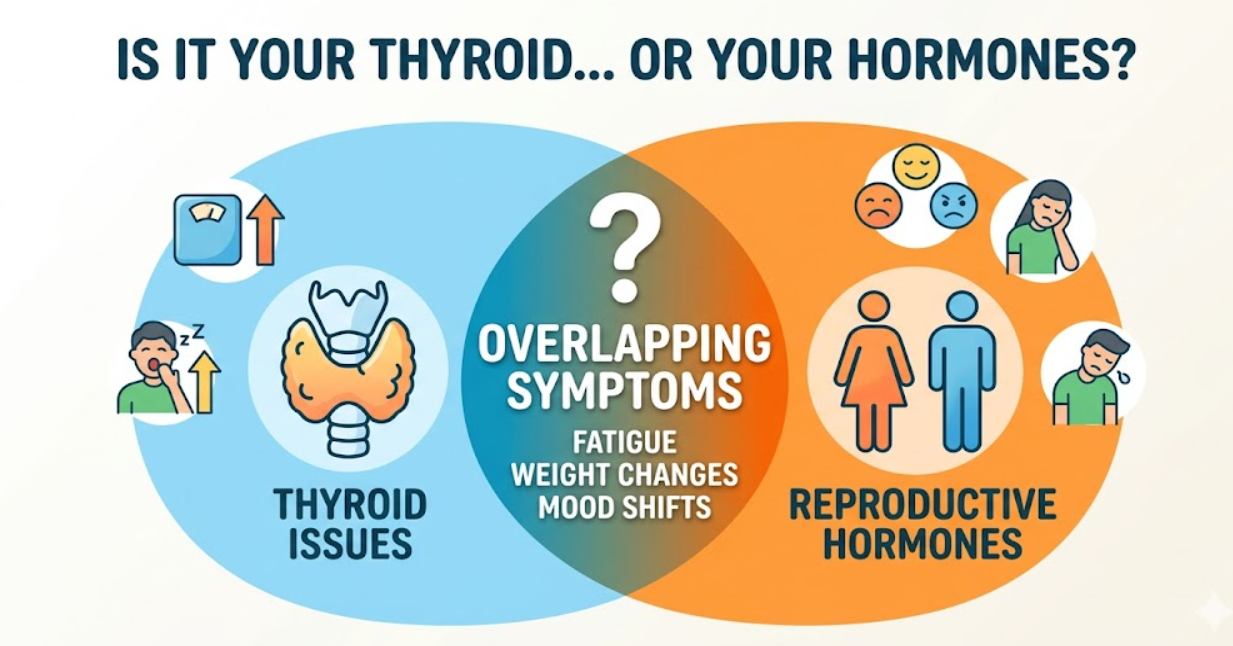
Vasomotor symptoms: Hot flashes and night sweats affect the majority of menopausal women, disrupting daily activities and sleep. These sudden heat sensations can occur multiple times daily, varying in intensity and duration.
Sleep disturbances: Difficulty falling asleep, staying asleep, or waking feeling unrefreshed stems from hormonal changes affecting sleep regulation. Poor sleep then exacerbates other menopause symptoms.
Mood changes: Anxiety, irritability, mood swings, or depression frequently accompany menopause. Hormonal fluctuations affect neurotransmitters regulating mood, creating emotional instability many women find distressing.
Cognitive effects: Brain fog, memory problems, and difficulty concentrating may be related in part to declining estrogen levels affecting brain function. These changes concern many women who fear cognitive decline.
Physical changes: Weight gain, particularly around the midsection, muscle loss, vaginal dryness, reduced libido, and skin changes all result from hormonal shifts during menopause.
Long-term health impacts: Beyond immediate symptoms, declining estrogen can affect bone density and cardiovascular health, making it important to monitor these areas and help reduce the risk of osteoporosis and heart disease.
How BHRT Addresses Menopause Symptoms
According to research on hormone therapy, BHRT can effectively relieve menopause symptoms for many women by restoring hormone levels to more optimal ranges. Unlike synthetic hormones, bioidentical hormones have molecular structures identical to those your body produces naturally.
Estrogen replacement: Restoring estrogen levels can significantly reduce hot flashes and night sweats, which are often the most disruptive menopause symptoms. Estrogen may also help improve sleep quality, cognitive function, mood stability, and vaginal health.
Progesterone balance: Progesterone balances estrogen while providing its own benefits. It can improve sleep through calming effects on the nervous system, help reduce anxiety, and protect uterine health in women who have not had hysterectomies.
Testosterone support: While often overlooked, testosterone plays important roles in women including maintaining muscle mass, supporting libido, enhancing energy, and promoting overall wellbeing. Some women may benefit from testosterone optimization alongside estrogen and progesterone.
BHRT Treatment Options for Menopause
Richmond women have several BHRT delivery methods, each offering unique advantages. Your provider helps determine which option best suits your lifestyle and preferences.
Hormone pellets: Small pellets inserted under the skin release hormones consistently over several months. This method offers convenience through infrequent dosing and stable hormone levels without daily administration. Most women appreciate the set-it-and-forget-it approach—your provider can walk you through whether pellets fit your lifestyle.
Topical creams and gels: Applied daily to the skin, creams and gels absorb into the bloodstream. This method allows easy dosing adjustments and appeals to women who prefer gradual hormone absorption without procedures.
Patches: Changed every few days, patches provide steady hormone delivery through the skin. They offer convenience between daily creams and long-lasting pellets.
Injections: Hormone injections administered weekly or biweekly provide another option, particularly for women who prefer not using daily topicals or having pellet procedures.
Expected Timeline for BHRT Results
Understanding realistic timelines helps set appropriate expectations for BHRT symptom relief. Many women notice improvements progressively over several months.
Weeks one to four: Initial improvements often appear within the first month for many women. Some experience reduced hot flash frequency and intensity, better sleep quality, and improved mood stability during this period.
Months two to three: Symptom relief can become more substantial as hormone levels stabilize. Energy may improve, mental clarity can increase, and physical symptoms like vaginal dryness often show noticeable improvement.
Months four to six: By months four to six, many women experience optimal symptom relief. Continued benefits may include improved body composition, enhanced skin quality, and sustained relief from vasomotor symptoms.
Safety Considerations for BHRT During Menopause
BHRT safety requires professional evaluation, individualized treatment, and ongoing monitoring. Understanding important considerations helps ensure safe, effective therapy.
Comprehensive evaluation: Before starting BHRT, proper evaluation includes medical history review, symptom assessment, physical examination, and laboratory testing. This thorough assessment identifies any contraindications and establishes baseline hormone levels.
Individualized dosing: One size does not fit all in hormone therapy. Your provider determines appropriate hormone types and doses based on your specific symptoms, lab results, and individual response to treatment.
Regular monitoring: Ongoing lab work and follow-up appointments help ensure hormone levels remain in optimal ranges. Monitoring catches any issues early and allows dosing adjustments as your needs change over time.
Breast health awareness: Continue regular mammograms and breast exams as recommended. Discuss personal and family history of breast cancer with your provider, as this influences treatment decisions.
Lifestyle integration: BHRT works best when combined with healthy lifestyle practices including proper nutrition, regular exercise, stress management, and adequate sleep. Hormone therapy complements rather than replaces healthy habits.

Getting Started with BHRT in Richmond
If menopause symptoms disrupt your quality of life, BHRT may provide the relief you seek. The first step involves comprehensive evaluation by a provider experienced in hormone optimization for menopausal women.
At RVA Optimal Health and Wellness, we specialize in BHRT for Richmond women experiencing menopause. Our comprehensive approach includes thorough evaluation, personalized treatment plans, and ongoing support to help you achieve optimal symptom relief and safety.
Ready to explore BHRT for menopause symptoms? Contact RVA Optimal Health and Wellness to schedule a comprehensive evaluation. We help Richmond women navigate menopause with effective, safe hormone therapy tailored to individual needs.
Frequently Asked Questions
Is BHRT safe for all menopausal women?
BHRT can be a safe option for many menopausal women when properly prescribed and monitored, but certain conditions require careful consideration or may contraindicate hormone therapy. Women with history of breast cancer, blood clots, stroke, liver disease, or unexplained vaginal bleeding need thorough evaluation before starting BHRT. Your provider reviews your complete medical history, conducts appropriate testing, and discusses risks and benefits specific to your situation. Many women with well-controlled health conditions can safely use BHRT under proper medical supervision. The key is working with an experienced provider who individualizes treatment and monitors your response carefully.
How long will I need to stay on BHRT?
BHRT duration varies by individual needs and treatment goals. Some women use BHRT for a few years to manage acute menopause symptoms, then taper off once symptoms naturally subside. Others continue long term for sustained symptom relief and potential protective benefits for bone and cardiovascular health. There is no predetermined timeline requiring discontinuation if you continue benefiting from treatment and regular monitoring shows no concerning changes. Your provider helps determine appropriate treatment duration based on your symptoms, health status, and personal preferences. Regular evaluations assess whether continuing BHRT remains appropriate for your situation, allowing informed decisions about ongoing therapy.
Disclaimer: This article provides general educational information about BHRT for menopause and should not be construed as medical advice. Hormone therapy requires proper medical evaluation, diagnosis, and ongoing monitoring by qualified healthcare providers. Treatment appropriateness, safety, and outcomes vary by individual based on medical history, symptoms, and health status. Always consult with your physician before starting, stopping, or changing any hormone therapy regimen.