
Key Takeaways
- Hormone imbalances affect approximately 75% of women aged 35-55 in the Richmond area, but many symptoms go unrecognized or dismissed
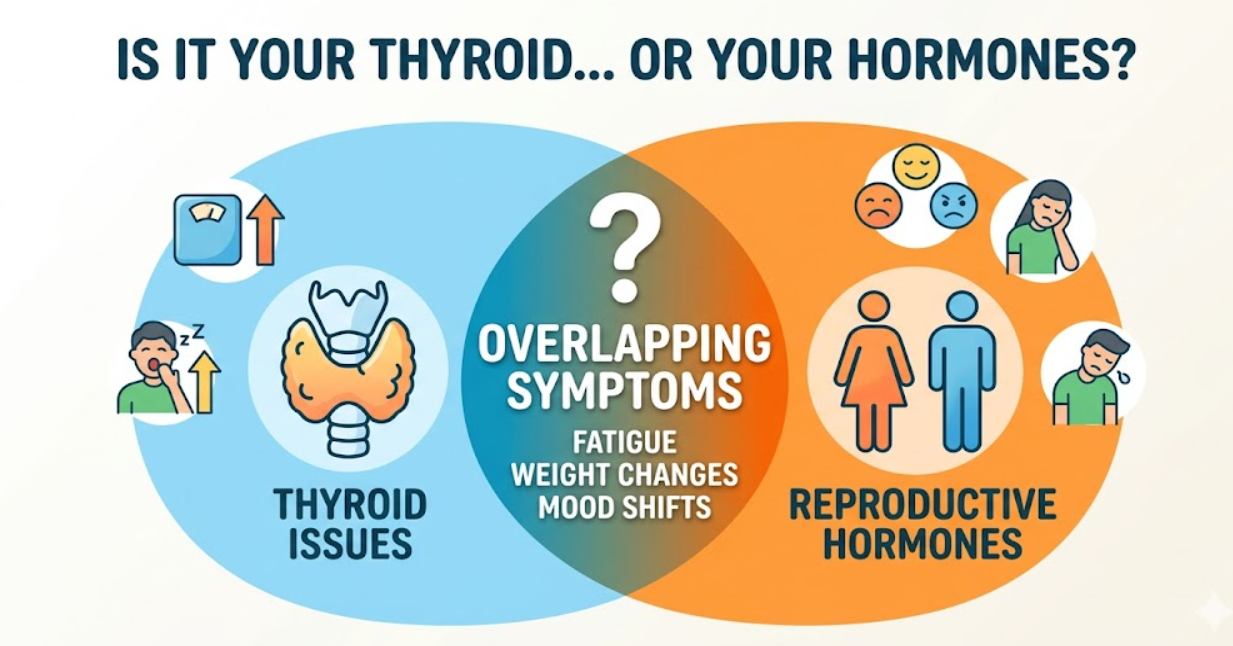
- Common signs include persistent fatigue, unexplained weight gain, mood changes, sleep problems, hot flashes, low libido, and brain fog
- Multiple simultaneous symptoms or progressive worsening warrant professional hormone evaluation
- Bioidentical hormone therapy offers personalized solutions molecularly identical to your body’s natural hormones
- Comprehensive testing and individualized treatment plans address root causes rather than just managing symptoms
- Richmond women experiencing hormone imbalance symptoms have access to specialized care at Optimal Health & Wellness serving Richmond, Henrico, and Chesterfield County
Introduction: Understanding Hormone Health in Richmond Women

Richmond women are navigating unique hormone-related health challenges in 2026. Between the humid Virginia climate that can exacerbate certain symptoms and our community’s growing awareness of personalized healthcare, hormone health has become a critical conversation in the River City. Recent data from central Virginia healthcare providers indicates that approximately 75% of women between ages 35-55 experience some form of hormonal disruption, yet many dismiss these symptoms as simply “part of aging.”
Whether you’re juggling a career in downtown Richmond, managing family life in Short Pump, or enjoying retirement in the West End, hormone imbalances don’t discriminate by zip code. The challenge is that these symptoms often develop gradually, making them easy to rationalize or ignore. Women across Henrico, Chesterfield County, and the greater Richmond area deserve to understand what their bodies are communicating.
Hormone imbalances can stem from various factors including perimenopause, menopause, thyroid disorders, stress, and environmental influences. The good news? Recognition is the first step toward reclaiming your vitality. Let’s explore the seven hormone imbalance symptoms Richmond VA women should never overlook.
1. Persistent Fatigue Despite Adequate Sleep
You’re getting seven to eight hours of sleep each night, yet you wake up feeling like you barely rested. By mid-afternoon, you’re reaching for your third cup of coffee just to function. This isn’t ordinary tiredness—it’s a bone-deep exhaustion that doesn’t improve with rest.
Hormonal fatigue differs significantly from general tiredness. When your thyroid hormones, cortisol, estrogen, or progesterone fall out of balance, your cells literally can’t produce energy efficiently. Your thyroid acts as your body’s metabolic thermostat, and when it’s underperforming, everything slows down. According to the American Thyroid Association, thyroid disorders affect women five to eight times more frequently than men, making this a critical consideration for unexplained fatigue.
Similarly, cortisol dysregulation from chronic stress can leave your adrenal glands depleted, creating persistent fatigue that feels insurmountable. Many Richmond women push through this exhaustion, attributing it to busy schedules or the demands of modern life. However, when fatigue interferes with your daily activities, relationships, or job performance, it’s signaling that something deeper needs attention. This is particularly common during perimenopause when estrogen and progesterone begin their fluctuating decline.
2. Unexplained Weight Gain or Difficulty Losing Weight
The scale keeps creeping upward despite eating well and maintaining your exercise routine. Your favorite jeans from last year no longer fit, and the weight seems to concentrate around your midsection. You’re doing everything “right,” yet your body isn’t responding the way it used to.
Hormonal weight gain, especially around the abdomen, is one of the most frustrating signs of hormone imbalance. Estrogen dominance, thyroid dysfunction, insulin resistance, and elevated cortisol all contribute to stubborn weight that refuses to budge. When estrogen levels drop during perimenopause and menopause, your body tends to store more fat—particularly visceral fat around your organs—as a protective mechanism.
Thyroid hormones regulate your metabolic rate, so when they’re low, your body burns fewer calories at rest. Meanwhile, high cortisol from chronic stress triggers your body to hold onto fat stores, particularly in the midsection. Research published in the Journal of Clinical Endocrinology & Metabolism demonstrates the direct correlation between hormone fluctuations and metabolic changes in midlife women. For women in Midlothian and throughout the Richmond area dealing with demanding careers and family responsibilities, this stress-hormone-weight connection becomes especially relevant.
3. Mood Swings, Anxiety, or Depression
One moment you’re fine, the next you’re inexplicably irritable or tearful. Anxiety creeps in without obvious triggers. You feel overwhelmed by situations that wouldn’t have bothered you before, or you’ve lost interest in activities that once brought you joy. These emotional changes feel out of character, yet they’re becoming your new normal.
The connection between hormones and mood is profound. Estrogen influences serotonin, dopamine, and other neurotransmitters that regulate mood and emotional well-being. When estrogen fluctuates or declines, these neurotransmitter systems become destabilized. Progesterone has calming, anti-anxiety effects, so low levels can trigger irritability and sleep problems. Thyroid hormones also significantly impact mental health—hypothyroidism often presents with depression-like symptoms.
Many women report feeling like they’re “losing their mind” or “not themselves anymore.” These aren’t character flaws or personal failures—they’re physiological responses to hormonal shifts. If you’re experiencing mood changes that persist for weeks, interfere with relationships, or feel disproportionate to life circumstances, hormone evaluation should be part of your wellness assessment.
4. Sleep Disturbances and Insomnia
You fall asleep easily but wake at 2 or 3 AM with your mind racing, unable to return to sleep. Or perhaps you toss and turn for hours before finally drifting off, only to wake feeling unrefreshed. Night after night, quality sleep eludes you, compounding your fatigue and irritability.
Progesterone is nature’s sleep aid, promoting relaxation and deep, restorative sleep. As progesterone declines during perimenopause, many women experience significant sleep disruption. Cortisol should naturally decrease at night, but chronic stress or adrenal dysfunction can keep cortisol elevated, making it difficult to fall asleep or stay asleep. Thyroid imbalances can cause either insomnia or excessive sleepiness.
The hot flashes and night sweats that accompany estrogen decline also fragment sleep, creating a vicious cycle: poor sleep raises cortisol, elevated cortisol worsens hormone balance, and worsening hormone balance further disrupts sleep. For Richmond women already dealing with our humid summers, nighttime temperature regulation becomes even more challenging when hormones are involved.
5. Hot Flashes and Night Sweats
Sudden waves of intense heat wash over you, often starting in your chest and rising to your face. Your skin flushes, your heart races, and perspiration appears within seconds. At night, you wake drenched in sweat, throwing off covers only to feel chilled moments later. These episodes can occur multiple times daily, disrupting work meetings, social events, and sleep.
While hot flashes are the hallmark symptom of menopause, they can begin years earlier during perimenopause. They result from estrogen withdrawal affecting your hypothalamus—your brain’s temperature regulation center. When estrogen drops, your hypothalamus mistakenly perceives that you’re overheating and triggers a cooling response through vasodilation and sweating.
The severity varies dramatically among women. Some experience mild warmth occasionally, while others have debilitating episodes dozens of times daily for years. According to the North American Menopause Society, hot flashes can persist for an average of seven to ten years, significantly impacting quality of life. Many Richmond women report avoiding certain social situations or professional opportunities due to fear of visible hot flash episodes. These symptoms deserve medical attention and effective treatment options, including bioidentical hormone therapy Richmond providers can customize to your needs.
6. Low Intimate Drive and Tissue Dryness
Your interest in intimacy has diminished or disappeared entirely. Physical closeness has become uncomfortable or painful due to tissue dryness, and you avoid situations that might lead to intimacy. You miss feeling desire but can’t seem to recapture it, creating distance in your relationship.
Testosterone isn’t just a male hormone—women need it too, though in smaller amounts, for intimate desire, energy, and overall vitality. Estrogen maintains tissue health, lubrication, and elasticity in intimate areas. As both decline during perimenopause and menopause, intimate function often suffers. The tissues become thinner, drier, and less elastic (a condition called atrophy), making physical intimacy painful.
These changes can profoundly affect relationships and self-esteem. Many women feel embarrassed discussing intimate concerns with healthcare providers, yet these symptoms respond excellently to treatment. Bioidentical hormone therapy, including testosterone therapy for women, can restore intimate desire and tissue health, significantly improving quality of life and close relationships.
7. Brain Fog and Memory Issues
You walk into a room and forget why you’re there. Names that were once automatic now escape you mid-conversation. Concentrating on complex tasks feels increasingly difficult, and you find yourself reading the same paragraph multiple times. You worry whether these cognitive changes represent something more serious.
“Brain fog” isn’t a medical diagnosis, but it’s a very real symptom of hormone imbalance. Estrogen plays crucial roles in cognitive function, including memory, concentration, verbal fluency, and information processing. It supports neurotransmitter function and promotes healthy brain cell communication. As estrogen declines, many women experience noticeable cognitive changes.
Thyroid hormones are equally important for brain function. Hypothyroidism commonly causes concentration difficulties, mental sluggishness, and memory problems. Research from Frontiers in Endocrinology confirms that hormone fluctuations during perimenopause and menopause directly impact cognitive performance. Poor sleep from other hormone-related symptoms compounds cognitive issues. While concerning, these symptoms typically improve significantly with appropriate hormone optimization. For women managing careers, families, or businesses in Richmond and surrounding areas, reclaiming mental clarity can be transformative.

When to Seek Professional Evaluation
Not every symptom requires immediate medical intervention, but certain red flags indicate it’s time to seek professional hormone evaluation. Consider scheduling a consultation if you experience:
- Multiple symptoms simultaneously: One or two mild symptoms might reflect temporary stress, but experiencing several signs concurrently suggests underlying hormone imbalance requiring assessment.
- Symptoms interfering with daily life: When hormone-related issues prevent you from working effectively, maintaining relationships, enjoying activities, or functioning normally, professional help is warranted.
- Progressive worsening: Symptoms that intensify over weeks or months rather than improving indicate ongoing imbalance needing intervention.
- Failed self-management: If lifestyle modifications including improved sleep, stress management, nutrition optimization, and regular exercise haven’t resolved your symptoms after several weeks, medical evaluation becomes essential.
- Symptoms before age 40: Early perimenopause or other hormone disruptions deserve investigation to identify underlying causes and prevent long-term health consequences.
A comprehensive hormone evaluation should include detailed symptom assessment, medical history review, physical examination, and appropriate laboratory testing. Testing may include estrogen, progesterone, testosterone, thyroid hormones, cortisol, and other markers depending on your individual presentation.
How Optimal Health & Wellness Can Help Richmond Women
At Optimal Health & Wellness, we specialize in helping Richmond area women reclaim their vitality through personalized hormone optimization. Serving Richmond, Henrico, and Chesterfield County, our approach goes beyond simply treating symptoms—we identify and address root causes of hormone imbalance.
Our comprehensive services include:
Bioidentical Hormone Therapy in Richmond: Unlike synthetic hormones, bioidentical hormones are molecularly identical to those your body produces naturally. We create customized treatment plans tailored to your unique hormone levels and symptoms, adjusting protocols as your needs evolve.
Advanced Hormone Testing: We utilize comprehensive laboratory panels to assess your complete hormone profile, identifying specific imbalances and deficiencies affecting your health.
Personalized Treatment Plans: No two women experience hormone imbalance identically. We design individualized protocols addressing your specific symptoms, health history, and wellness goals.
Ongoing Support and Monitoring: Hormone optimization is a journey, not a destination. We provide continuous monitoring, adjusting treatments as needed to maintain optimal balance.
Integrative Wellness Approach: Hormone therapy works best when combined with nutritional guidance, stress management, and lifestyle optimization—areas we help you address comprehensively.
Don’t spend another day struggling with hormone imbalance symptoms. Your energy, mental clarity, and quality of life are too important to ignore. Schedule your comprehensive hormone evaluation at Optimal Health & Wellness today and discover how personalized bioidentical hormone therapy can help you feel like yourself again. Call our Richmond office now or book your consultation online—because you deserve to thrive, not just survive.
Frequently Asked Questions About Hormone Imbalance
Q: At what age do hormone imbalances typically begin?
A: While menopause averages around age 51, perimenopause often begins in the early to mid-40s, with some women experiencing symptoms as early as their late 30s. Hormone imbalances can occur at any age due to thyroid disorders, stress, or other health conditions.
Q: How is bioidentical hormone therapy different from traditional hormone replacement?
A: Bioidentical hormones are chemically identical to hormones your body produces naturally, while synthetic hormones have different molecular structures. Many women report fewer side effects and better symptom relief with bioidentical options, which can be customized to individual needs.
Q: Can lifestyle changes alone resolve hormone imbalance symptoms?
A: Lifestyle modifications including stress reduction, regular exercise, quality sleep, and nutrition optimization support hormone health and may resolve mild symptoms. However, significant imbalances, especially during perimenopause and menopause, typically require medical intervention for optimal relief.
Q: Is hormone testing covered by insurance?
A: Coverage varies by insurance plan and provider. Many plans cover basic hormone testing when medically indicated. We recommend contacting your insurance provider directly regarding coverage specifics, and our office can help verify benefits.
Q: How long does it take to see results from hormone therapy?
A: Most women notice initial improvements within 2-4 weeks of beginning treatment, with progressive benefits over 3-6 months as hormone levels stabilize. Individual responses vary based on symptom severity, delivery method, and overall health status.