
You’re crushing it at work, managing your family, staying active—basically handling everything life throws at you. Then one day, you notice something’s off.
Your period arrives two weeks early. You snap at your partner over something trivial. You’re exhausted despite sleeping eight hours. And is it just you, or is this room suddenly a sauna?
Welcome to perimenopause. That unexpected plot twist your body throws at you when you thought you had at least another decade before menopause became a concern.
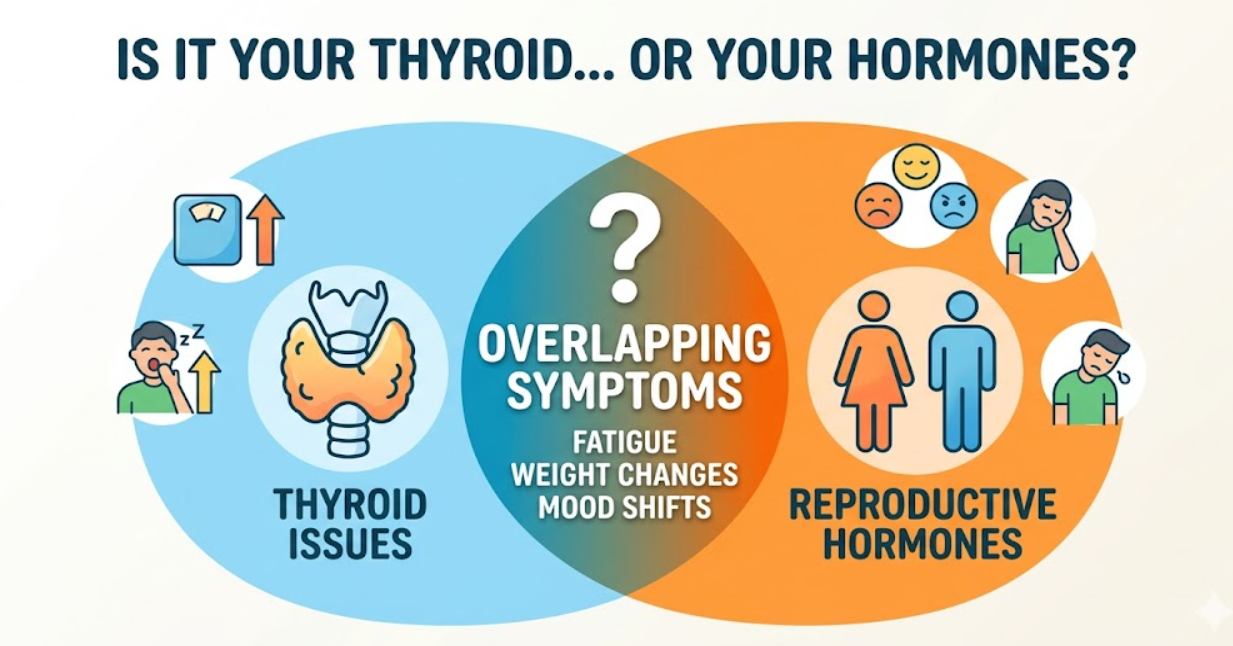
Here’s the reality: perimenopause can start much earlier than most women expect, often catching them completely off guard in their early to mid-40s—sometimes even late 30s. And because these early signs can be subtle or easily mistaken for stress, thyroid issues, or just “getting older,” many women suffer silently for years before connecting the dots.
You deserve better than that. You deserve to recognize what’s happening in your body and take action before perimenopause symptoms disrupt your life.
Let’s break down the five early warning signs that your body is transitioning into perimenopause, and more importantly, what you can do about them.

Understanding Perimenopause: The Transition Nobody Warned You About
Before we dive into the specific symptoms, let’s clear up what perimenopause actually is—because this phase is notoriously misunderstood.
Perimenopause literally means “around menopause.” It’s the transitional period when your ovaries gradually begin producing less estrogen and progesterone, the two key hormones that have been regulating your menstrual cycle since puberty. This isn’t a sudden drop-off; it’s more like a roller coaster ride where hormone levels fluctuate wildly, sometimes spiking high and then plummeting low.
The average age for perimenopause to begin is 47, but it can start as early as your mid-30s or as late as your mid-50s. This transition typically lasts four to eight years, though some women experience it for a decade or more before reaching actual menopause (defined as 12 consecutive months without a period).
According to research published in the Journal of Women’s Health, approximately 1.3 million women enter menopause each year in the United States alone, meaning millions more are currently navigating the perimenopause transition. Yet despite how common this is, most women feel blindsided when symptoms begin.
Why? Because we’re still not talking about it enough. Your mother might have mentioned hot flashes, but did she warn you about the rage, the insomnia, or the brain fog that can strike years before menopause actually arrives?
Probably not.
Sign #1: Your Period Becomes a Mystery Guest
Remember when you could practically set your calendar by your menstrual cycle? Those days might be behind you.
One of the earliest and most common signs of perimenopause is changes to your menstrual cycle. But here’s what makes this tricky: the changes can vary dramatically from woman to woman and even from month to month.
What to watch for:
Your cycles might become shorter—maybe you’re now on a 24-day cycle instead of your usual 28 days. Or they might stretch longer, with 35 or even 40 days between periods. You might skip a period entirely (hello, false menopause alarm), then have two in one month. The flow can change too—sometimes lighter, sometimes heavier, sometimes with clotting you’ve never experienced before.
These irregularities happen because your estrogen and progesterone levels are fluctuating unpredictably. Some months your body produces enough progesterone to trigger ovulation and a normal period. Other months, ovulation doesn’t occur, leading to irregular or skipped periods.
Heavy bleeding, in particular, can be concerning and disruptive. Studies from the American College of Obstetricians and Gynecologists indicate that abnormal uterine bleeding affects up to 90% of women during the perimenopausal transition. If you’re soaking through pads or tampons every hour, or passing large clots, this warrants a conversation with your healthcare provider to rule out other conditions.
Why it matters:
Irregular periods aren’t just inconvenient—they’re your body’s way of signaling that hormonal changes are underway. Recognizing this early allows you to track patterns, prepare for potential issues like anemia from heavy bleeding, and start considering treatment options before symptoms worsen.
Sign #2: Sleep Becomes an Elusive Luxury

You’re lying in bed at 2 AM, wide awake, mentally reviewing tomorrow’s to-do list for the hundredth time. Or you fall asleep fine but wake up at 4 AM, unable to drift back off. Sound familiar?
Sleep disturbances are one of the most frustrating early signs of perimenopause, yet they often fly under the radar because we blame them on stress, caffeine, or binge-watching too many episodes of our favorite show.
What to watch for:
Perimenopausal sleep issues come in various forms. You might experience difficulty falling asleep, frequent nighttime awakenings, early morning waking, or unrefreshing sleep where you wake up feeling like you haven’t rested at all. Night sweats often accompany these sleep disruptions—you wake up drenched, throw off the covers, then freeze an hour later.
The hormonal connection here is significant. Progesterone has a naturally calming effect on the brain and helps promote deep sleep. As progesterone levels decline during perimenopause, that sleep-promoting effect diminishes. Additionally, fluctuating estrogen levels can trigger night sweats and hot flashes that interrupt your sleep cycles.
According to research in the journal Menopause, sleep disturbances affect between 40-60% of perimenopausal women, making it one of the most prevalent symptoms during this transition.
Why it matters:
Poor sleep isn’t just about feeling tired. Chronic sleep deprivation impacts every aspect of your health—your immune function, cognitive performance, emotional regulation, metabolism, and even your cardiovascular health. When you’re not sleeping well, everything else gets harder: managing stress, maintaining a healthy weight, focusing at work, and regulating your mood.
Identifying sleep problems as a perimenopausal symptom rather than a separate issue means you can address the root cause—hormone imbalance—rather than just treating the symptom.
Sign #3: Your Emotions Are on a Hair-Trigger
One moment you’re fine. The next, you’re fighting back tears during a insurance commercial. Then suddenly, you’re snapping at your kids over something minor that wouldn’t have fazed you last year.
If you feel like you’re losing your emotional equilibrium, you’re not imagining things. Mood changes and increased emotional sensitivity are hallmark early signs of perimenopause that often appear before any physical symptoms.
What to watch for:
Perimenopausal mood symptoms can manifest as increased irritability, anxiety that seems to come from nowhere, feelings of being overwhelmed by normal responsibilities, sadness or depression without a clear trigger, rage or anger that feels disproportionate to the situation, or reduced stress tolerance—things that used to roll off your back now feel insurmountable.
You might notice these mood shifts correspond with your menstrual cycle, intensifying in the week or two before your period (a sign that your progesterone levels are dropping more than usual during your luteal phase).
The science behind this is clear: estrogen and progesterone aren’t just reproductive hormones—they’re powerful mood regulators. Estrogen influences serotonin, dopamine, and norepinephrine, the neurotransmitters that govern your mood and emotional wellbeing. When estrogen levels fluctuate wildly during perimenopause, so does your emotional state.
Progesterone has a calming, anti-anxiety effect on the brain. When progesterone declines, anxiety often increases. This isn’t weakness or “getting older.” It’s biochemistry.
Why it matters:
Too many women suffer in silence, attributing mood changes to personal failings or external stressors, when the real culprit is hormone imbalance. This leads to damaged relationships, decreased quality of life, and sometimes unnecessary antidepressant prescriptions that don’t address the underlying hormonal issue.
Recognizing mood changes as a perimenopausal symptom opens the door to effective treatments, including bioidentical hormone replacement therapy that can restore emotional balance by addressing the hormonal root cause.
Sign #4: Your Brain Feels Like It’s Running on Dial-Up

You walk into a room and forget why. You can’t recall the name of your colleague you’ve worked with for five years. You lose your train of thought mid-sentence. Your once-sharp mind now feels foggy and slow.
This isn’t early dementia. It’s perimenopause brain fog, and it’s more common than you might think.
What to watch for:
Cognitive symptoms during perimenopause include difficulty concentrating, memory lapses (especially with names, words, or what you were just doing), reduced mental clarity or feeling like you’re thinking through mud, trouble multitasking when you used to juggle tasks effortlessly, and word-finding difficulties—that sensation of having a word “on the tip of your tongue” but being unable to retrieve it.
These cognitive changes can be genuinely frightening, especially if you’re in a demanding career where mental sharpness is essential. Many women worry they’re developing early-onset Alzheimer’s, but research shows these cognitive changes are typically temporary and related to hormonal fluctuations.
Estrogen plays a crucial role in cognitive function. It enhances blood flow to the brain, supports neurotransmitter production, and helps maintain neural connections. When estrogen levels fluctuate during perimenopause, cognitive function can temporarily decline.
A landmark study in the journal Neurology found that cognitive issues during perimenopause are real and measurable, but they typically improve after menopause when hormone levels stabilize at their new lower baseline.
Why it matters:
Brain fog affects your professional performance, your confidence, and your daily functioning. It can make you question your competence and create anxiety about your cognitive health. Understanding that this is a perimenopausal symptom—not a permanent cognitive decline—is crucial for your mental health and can guide you toward treatments that restore mental clarity.
Sign #5: Your Energy Has Left the Building
Remember when you could power through your day, hit the gym, make dinner, help with homework, and still have energy left over? Now, you’re exhausted by 2 PM, and the thought of your usual evening routine feels overwhelming.
Persistent, unexplained fatigue is one of the most underrecognized early signs of perimenopause, often dismissed as just being busy or stressed.
What to watch for:
Perimenopausal fatigue goes beyond normal tiredness. You might experience profound exhaustion that isn’t relieved by rest, an energy crash in the afternoon that feels almost debilitating, feeling drained even after a full night’s sleep (or what should have been restful), reduced stamina for exercise or activities you used to enjoy, or that bone-deep tiredness where even simple tasks feel exhausting.
This isn’t laziness or aging—it’s hormones. Estrogen plays a key role in energy production at the cellular level. It affects how efficiently your mitochondria (your cells’ energy factories) produce ATP, the molecule that powers everything your body does. When estrogen fluctuates, so does your energy production.
Additionally, progesterone affects your thyroid function and metabolism. Declining progesterone can slow your metabolic rate, contributing to that sluggish, low-energy feeling. And let’s not forget that sleep disruptions (Sign #2) compound fatigue—when you’re not sleeping well, you’re not going to have good energy during the day.
Why it matters:
Chronic fatigue affects every domain of your life. It impacts your ability to work effectively, exercise regularly, engage with your family, maintain your social connections, and simply enjoy your life. When you’re constantly exhausted, everything feels harder, and your quality of life plummets.
Recognizing fatigue as a hormonal symptom rather than a character flaw or inevitable part of aging empowers you to seek appropriate treatment that addresses the cause, not just the symptom.
The Perimenopause Symptoms Checklist: How Many Boxes Are You Checking?
Let’s be real for a moment. As you’ve read through these five signs, how many resonated with you? One? Three? All five?
Here’s your quick perimenopause symptoms checklist:
□ Irregular menstrual cycles (shorter, longer, skipped, or heavier)
□ Sleep disturbances or insomnia
□ Increased mood swings, irritability, or anxiety
□ Brain fog or memory issues
□ Persistent fatigue or low energy
□ Hot flashes or night sweats
□ Decreased libido
□ Vaginal dryness
□ Weight gain, especially around the midsection
□ Hair thinning or changes in texture
If you’re checking multiple boxes, especially in your 40s, there’s a very good chance you’re experiencing the early stages of perimenopause. And that’s not a diagnosis to fear—it’s valuable information that can help you take proactive steps to manage your symptoms and maintain your quality of life.
What Causes These Early Perimenopause Symptoms?

Understanding the “why” behind your symptoms can be empowering. So let’s talk about what’s actually happening in your body.
During your reproductive years, your ovaries produce estrogen and progesterone in a fairly predictable pattern each month. Estrogen rises in the first half of your cycle, progesterone dominates the second half, and then both drop to trigger menstruation if pregnancy doesn’t occur.
In perimenopause, this orderly system becomes chaotic. Your ovarian reserve—the number of viable eggs you have—is declining. Your ovaries become less responsive to the hormonal signals from your brain. This leads to erratic hormone production: some months you might have normal estrogen but low progesterone, other months both might be low, and occasionally estrogen might spike unusually high.
These fluctuations create the constellation of symptoms you experience. It’s not just about declining hormones—it’s about unpredictable hormones. Your body is trying to maintain balance in a system that’s fundamentally changing, and that adjustment period is what we call perimenopause.
When Should You See a Doctor About Perimenopause Symptoms?
Here’s a question women ask all the time: “How do I know if my symptoms are serious enough to warrant medical attention?”
The answer is simpler than you think: if your symptoms are affecting your quality of life, it’s time to see a doctor. Full stop.
You don’t have to suffer through years of sleepless nights, mood swings, and exhaustion just because perimenopause is “natural.” Natural doesn’t mean you have to be miserable.
Definitely schedule an appointment if:
- Your periods are so heavy you’re soaking through protection hourly
- You’re experiencing severe mood symptoms, especially depression or thoughts of self-harm
- Your symptoms are interfering with your work, relationships, or daily functioning
- You have irregular bleeding between periods or after sex
- You’re experiencing new or worsening anxiety
- Your sleep disruption is causing significant daytime impairment
Many healthcare providers will want to run tests to confirm you’re in perimenopause and rule out other conditions that can cause similar symptoms, such as thyroid disorders, anemia, or vitamin deficiencies. Blood tests measuring FSH (follicle-stimulating hormone), estrogen, and progesterone levels can provide valuable information, though hormone levels fluctuate so much during perimenopause that a single test isn’t always definitive.
Treatment Options: You Don’t Have to Suffer Through This
Here’s the good news: you have options. Lots of them. Perimenopause isn’t something you just have to endure until it’s over.
Lifestyle Modifications
Start with the basics. Regular exercise, particularly strength training, helps maintain muscle mass, supports bone density, improves mood, and can reduce hot flashes. Stress management through meditation, yoga, or therapy can help regulate cortisol and improve hormonal balance. Nutrition matters too—a diet rich in whole foods, healthy fats, and lean protein supports hormone production and can ease symptoms.
Bioidentical Hormone Replacement Therapy (BHRT)
For many women, BHRT offers the most comprehensive symptom relief. By replacing declining estrogen and progesterone with bioidentical versions, BHRT addresses the root cause of perimenopause symptoms rather than just treating individual symptoms. Women often report dramatic improvements in energy, mood, sleep, and cognitive function within weeks of starting treatment.
BHRT can be customized to your specific hormone levels and adjusted as your body changes throughout perimenopause. It’s not one-size-fits-all—it’s personalized medicine at its best.
Other Medical Interventions
Depending on your specific symptoms, your doctor might recommend low-dose birth control pills to regulate cycles and hormone levels, antidepressants if mood symptoms are severe, vaginal estrogen for dryness and discomfort, or sleep aids for persistent insomnia (though addressing the hormonal cause is more effective long-term).
The Bottom Line: Knowledge Is Power

Perimenopause can feel like your body has turned against you. One day you’re fine, the next you’re dealing with symptoms that make you feel like a stranger in your own skin.
But here’s what you need to know: these symptoms aren’t in your head. They’re not something you just have to accept. And you’re definitely not alone—millions of women are navigating this same transition right now.
The five early signs we’ve covered—irregular periods, sleep disturbances, mood changes, brain fog, and persistent fatigue—are your body’s way of signaling that hormonal changes are underway. Recognizing these signs early means you can take action before symptoms escalate and seriously impact your quality of life.
You deserve to feel like yourself again. You deserve to have energy for the things you love, to sleep through the night, to feel emotionally balanced, and to think clearly. You deserve to thrive through this transition, not just survive it.
Take Control of Your Perimenopausal Journey
The first step in managing perimenopause is recognizing what’s happening. The second step is taking action.
At RVAOHW, we specialize in helping women navigate the perimenopause transition with comprehensive hormone testing, personalized treatment plans, and ongoing support. We understand that every woman’s experience is unique, and we’re committed to finding the right solution for your specific needs.
Whether you’re just starting to notice changes or you’ve been struggling with symptoms for months or years, we can help you find relief and reclaim your vitality.
Ready to feel like yourself again? Schedule your consultation today and discover how balancing your hormones can transform your experience of perimenopause.
Our comprehensive approach includes detailed hormone testing to identify specific imbalances, personalized BHRT programs tailored to your symptoms and goals, and ongoing monitoring and adjustment to ensure optimal results.
Don’t spend another day feeling exhausted, moody, and foggy. Contact us now to start your journey toward hormonal balance and renewed vitality. Your 40s should be your power decade, not your suffering decade.
Take the first step today. Your future self will thank you.
Disclaimer: This article is for informational purposes only and does not constitute medical advice. Always consult with a qualified healthcare provider for diagnosis and treatment of perimenopause symptoms.